Vacuum Seal Canister: A Smarter Way to Preserve Food and Reduce Waste
Keeping food fresh for longer is one of the easiest ways to save money and reduce waste in the kitchen. From fresh vegetables and fruits to coffee beans, leftovers, and pantry staples, proper storage makes a noticeable difference in both quality and shelf life. A vacuum seal canister offers an effective solution by removing excess air and creating an airtight environment that helps preserve freshness.
Unlike ordinary storage containers, vacuum-sealed systems slow down oxidation, helping food maintain its flavor, texture, and nutritional value. They're ideal for busy families, meal preppers, and anyone who wants a cleaner, more organized kitchen.
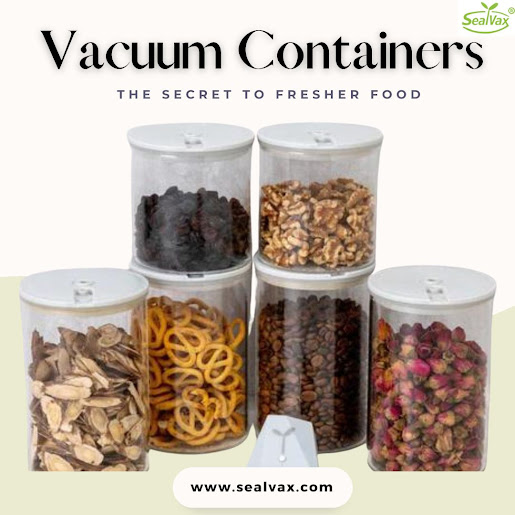
Vacuum storage is especially useful for ingredients that are sensitive to moisture or air exposure. Coffee, nuts, spices, dried fruits, and cereals stay crisp and aromatic for much longer when stored in an airtight environment. Fresh produce also benefits from proper storage, helping you enjoy groceries before they spoil.
Besides extending freshness, vacuum storage supports better kitchen organization. Clear containers allow you to quickly identify ingredients, while stackable designs maximize cabinet and refrigerator space. Instead of relying on disposable wraps or loosely sealed containers, investing in quality food storage creates a more efficient cooking routine.
Buying groceries in bulk also becomes more practical. Rather than worrying about food going bad before you can use it, vacuum storage helps maintain quality for longer periods, reducing unnecessary trips to the grocery store and minimizing household food waste.
Best Reusable Sous Vide Bags for Better Cooking Results
Choosing the best reusable sous vide bags is just as important as selecting the right cooking temperature. These durable, food-safe bags are designed to withstand extended cooking sessions while maintaining an airtight seal that locks in moisture and flavor.
Reusable sous vide bags provide several advantages over disposable alternatives. They help reduce plastic waste, save money over time, and deliver consistent cooking results. High-quality bags are typically made from BPA-free materials that can be washed and reused repeatedly without losing their performance.
Whether you're preparing chicken, seafood, vegetables, or steaks, these reusable bags help ensure even cooking while preserving natural juices and seasonings. Their durable construction also makes them suitable for freezing prepared meals, marinating ingredients, and storing leftovers.
When selecting reusable sous vide bags, look for reinforced seals, puncture-resistant materials, and compatibility with your vacuum sealing system. These features improve reliability and make everyday meal preparation more convenient.
In addition to sous vide cooking, reusable bags are excellent for organizing freezer meals, separating portion sizes, and reducing clutter in your refrigerator. Their versatility makes them a valuable addition to any modern kitchen.


Vacuum Seal Reusable Bags for Everyday Food Storage
For everyday food preservation, vacuum seal reusable bags offer a flexible and environmentally friendly storage solution. They are designed for repeated use, making them an excellent alternative to single-use plastic storage bags.
Whether you're storing fresh produce, marinated meats, cheese, baked goods, herbs, or prepared meals, these reusable bags help remove excess air that contributes to spoilage and freezer burn. By maintaining an airtight environment, they help preserve freshness, texture, and flavor for longer periods.
Meal prepping becomes much easier with reusable vacuum bags. Individual portions can be prepared in advance, labeled with storage dates, and organized neatly in the refrigerator or freezer. This not only saves time during busy weekdays but also reduces the chances of food being forgotten or wasted.
Cleaning reusable bags is simple. Most can be washed by hand with warm water and mild soap, while many premium options are dishwasher-safe. Allowing the bags to dry completely before reuse helps maintain hygiene and extends their lifespan.
Beyond the kitchen, reusable vacuum bags are useful for travel, camping, organizing snacks, and protecting dry goods from moisture. Their durability and versatility make them suitable for a wide variety of storage needs.
Tips to Get the Best Results from Vacuum Food Storage
No matter which vacuum storage products you use, following a few best practices can help maximize their performance:
Wash and dry containers or bags thoroughly before use.
Avoid overfilling storage containers.
Label stored food with preparation or purchase dates.
Store foods at recommended refrigerator or freezer temperatures.
Check seals regularly to ensure they remain airtight.
Clean reusable products after every use.
Follow the manufacturer's instructions for proper vacuum sealing.
Developing these simple habits helps keep food fresher, improves kitchen organization, and extends the life of your storage products.
Make Food Storage More Sustainable
Reducing food waste starts with smarter storage choices. Reusable vacuum storage products help households consume more of the food they buy while reducing dependence on disposable plastic packaging.
Proper food preservation also supports better meal planning. With ingredients staying fresh longer, it's easier to prepare meals ahead of time, buy in bulk, and reduce unnecessary grocery expenses. Small changes in food storage habits can have a lasting impact on both your budget and the environment.
Modern vacuum storage solutions combine convenience, efficiency, and sustainability, making them an excellent investment for anyone looking to improve their kitchen routine.
Conclusion
Creating a more organized kitchen begins with choosing the right food storage solutions. A vacuum seal canister helps preserve freshness, reduce food waste, and keep everyday ingredients in excellent condition. When combined with reusable vacuum storage products and smart meal-planning habits, it becomes easier to enjoy fresher food, save money on groceries, and build a more sustainable kitchen for the long term.


.jpg)
Comments
Post a Comment